
The evolution of gambling tracing the history from ancient times to modern practices
The Roots of Gambling in Ancient Civilizations
Gambling can be traced back to ancient civilizations, with evidence found in artifacts and texts from as early as 3000 BC. The Chinese, for example, developed a game called Keno, which was originally used to raise funds for the military. Similarly, the ancient Romans engaged in various forms of betting, from dice games to chariot races, showcasing the longstanding human fascination with chance and risk. Today, you can easily explore the wide array of vaping products at https://ca.vawoo.com/en to find solutions that suit your preferences.
In ancient Egypt, gambling was also popular among both the common people and the elite. The Egyptians used a variety of games that involved betting on the outcomes of various events. This early form of entertainment not only served as a pastime but also reflected the cultural norms and values of the society, where games of chance were seen as a way to engage with fate.
The Middle Ages and the Rise of Organized Gambling
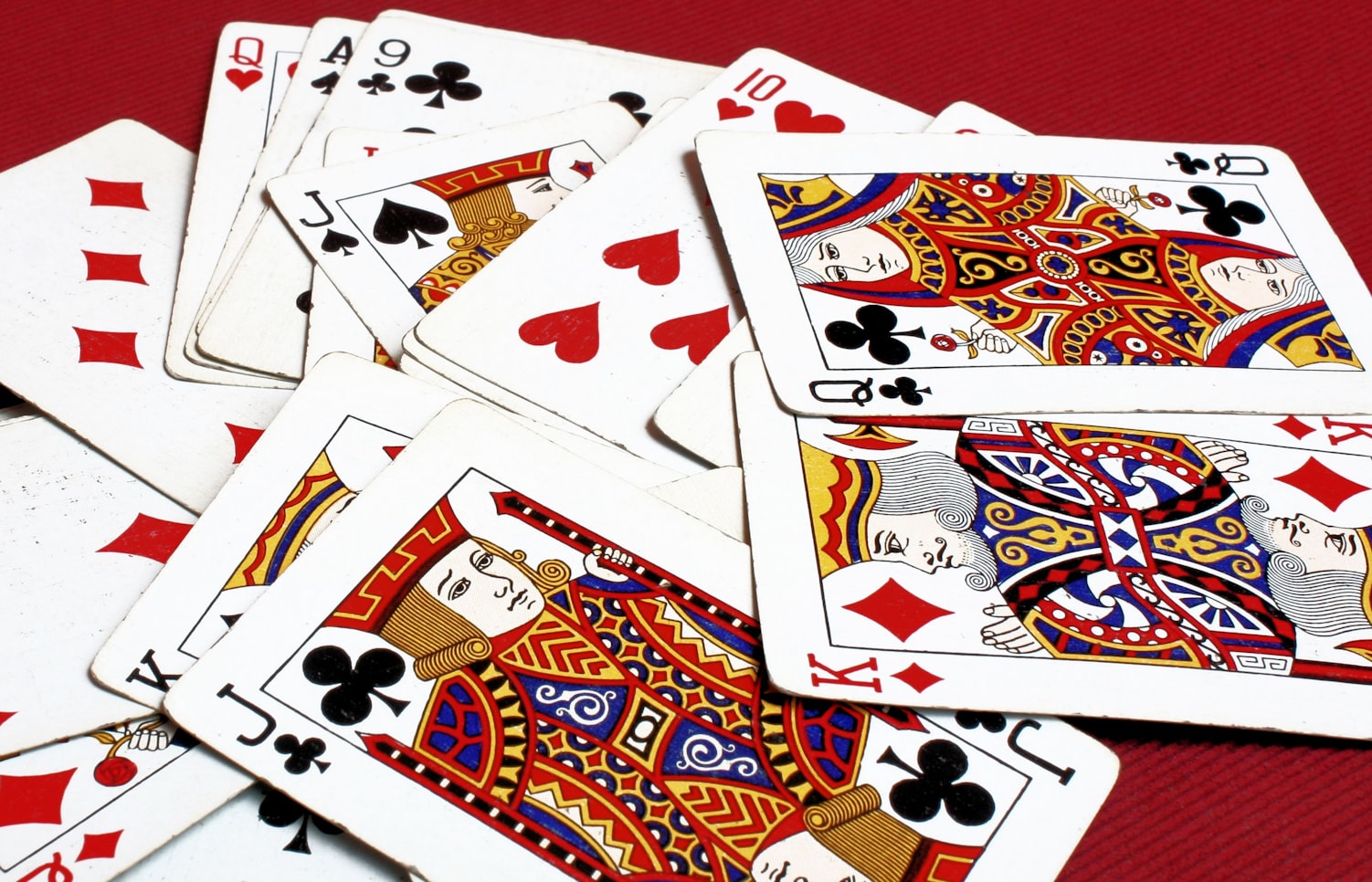
During the Middle Ages, gambling evolved significantly, with the establishment of more organized forms of betting. The development of card games in Europe marked a turning point, as these games became increasingly popular among nobles and royalty. With the introduction of the printing press, gambling games were documented and shared more widely, leading to an increase in participation.
This era also saw the emergence of lotteries as a form of gambling. Governments began to run state-sponsored lotteries, with proceeds often directed toward public projects, such as infrastructure and education. This blend of public benefit and personal gain highlighted the dual nature of gambling, illustrating how it was interwoven with societal progress.
The Industrial Revolution and Modernization of Gambling
The Industrial Revolution brought about sweeping changes in society, and gambling was no exception. The establishment of formal casinos began in the 17th century, with venues in Italy setting the stage for modern gambling establishments. The rise of railways allowed people to travel to these casinos more easily, increasing the popularity and accessibility of gambling.
The Digital Age and Online Gambling
The advent of the internet in the late 20th century revolutionized gambling once again. Online casinos emerged, allowing players to engage in gambling activities from the comfort of their homes. This shift not only expanded the reach of gambling but also introduced innovative forms of play, including live dealer games and mobile applications.
The rise of online gambling has also raised questions about regulation and responsible gaming. Various jurisdictions worldwide have introduced laws to govern online gambling, ensuring that players are protected and that the industry remains fair and transparent. As technology continues to evolve, so too does the landscape of gambling, making it more accessible and diverse than ever before.

The Future of Gambling and Its Cultural Impact
As gambling continues to evolve, it is essential to understand its cultural implications. Societies around the world have differing views on gambling, with some viewing it as a recreational activity and others seeing it as a vice. The integration of gambling into popular culture, through movies, literature, and social media, influences public perception and acceptance.
With the potential for further innovations in virtual reality and cryptocurrency gambling, the future of the industry looks promising. Continued dialogue about responsible gaming and cultural perspectives will be vital in shaping how gambling is perceived and regulated in the years to come.
“`